
Can Benadryl Help With Anxiety or Panic Symptoms?
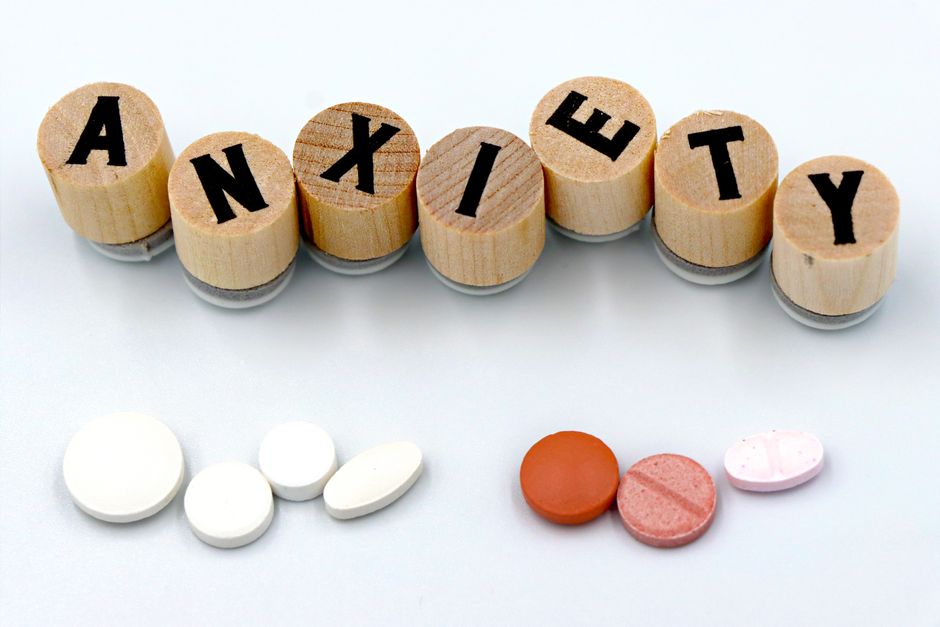
Benadryl can make some people feel calmer because its active ingredient, diphenhydramine, is sedating, but that is not the same as treating anxiety or panic. It can also impair attention and reactions, and mixing it with alcohol or certain medicines can be dangerous. Recurring, disruptive, or severe symptoms need clinical evaluation rather than ongoing self-treatment.
Can Benadryl calm anxiety or panic symptoms?
It can create a short-term feeling of calm through sedation, but the provided research does not establish OTC diphenhydramine as a treatment for anxiety or panic symptoms. That distinction matters. Feeling slowed down is a body effect; it does not explain what is driving the anxiety or reduce the chance that the pattern returns.
A peer-reviewed meta-analysis in the Journal of Allergy and Clinical Immunology found that diphenhydramine impaired performance compared with placebo and second-generation antihistamines. The practical cost is simple: a medicine that makes a tense moment feel quieter may also make driving, operating equipment, or making a time-sensitive work decision less safe.
Use the right label for the experience. “I feel sedated” is not the same statement as “my anxiety is treated.” That small wording change prevents a common decision error: escalating reliance on a product because the immediate sensation feels useful.
If panic-like symptoms include chest pain, difficulty breathing, dizziness, racing heart, trembling, nausea, or tingling, the National Institute of Mental Health describes these as symptoms that can occur during a panic attack. Those symptoms can be frightening, and unexplained episodes call for evaluation rather than a guess based on a medicine cabinet.
Why does Benadryl make me feel less anxious?
Benadryl can feel less anxiety-provoking because sedation reduces alertness; it does not prove the underlying anxiety has changed. The diphenhydramine performance review found impairment across measures of alertness and psychomotor performance. In other words, the “calm” may come with reduced cognitive bandwidth.
This is the sedation-versus-solution check: ask whether the effect helps you understand, address, or safely function through the problem, or whether it mainly makes you less awake around it. The first is a treatment question. The second is an impairment question.
The FDA makes the safety stakes explicit: combining a sedative with an antihistamine can slow reactions enough to make driving or operating machinery dangerous. For an owner, manager, or employee, that means separating symptom management from work-safety decisions. A quieter feeling does not automatically mean a safer workday.
There is also a medication-review lesson here. The FDA advises checking the active ingredients in every OTC product so the same ingredient is not taken unintentionally in more than one product. That active-ingredient discipline is useful wherever health-related purchasing decisions are being made, including when small medical practices compare supply vendors: identify exactly what the product contains before comparing labels or claims.
Is it safe to take Benadryl for anxiety every day?
The provided sources do not establish daily Benadryl use as a safe or effective anxiety plan. Daily reliance also leaves the central problem unanswered: if anxiety keeps showing up, the next useful move is assessment of the pattern and its impact, not treating sedation as a long-term strategy.
Interactions raise the stakes. The FDA’s OTC antihistamine warning says to ask a doctor or pharmacist before use when taking sedatives, tranquilizers, prescription blood-pressure medicine, or prescription depression medicine. Its warning is even plainer on alcohol: “Alcohol, sedatives, and tranquilizers may increase drowsiness; avoid alcoholic beverages.”
A practical decision guide
| Situation | What the source guidance supports |
|---|---|
| Anxiety is interfering with work, relationships, family life, or other routine activities | NIMH says it is time to seek professional help when anxiety causes problems in everyday life. |
| Panic-like symptoms are recurring or unexplained | NIMH advises talking with a health care provider; an evaluation can include a physical examination to rule out an unrelated physical cause. |
| Alcohol, sedatives, tranquilizers, prescription depression medicine, or prescription blood-pressure medicine are involved | The FDA says to ask a doctor or pharmacist before OTC antihistamine use and advises avoiding alcoholic beverages. |
| Suicidal thoughts or a life-threatening emergency are present | NIMH directs people to call or text 988 for suicidal thoughts and call 911 in life-threatening situations. |
Prescription hydroxyzine is a different conversation, not a stronger version of self-treatment. In a Cochrane review indexed by PubMed, hydroxyzine showed benefit over placebo for generalized anxiety disorder, but the reviewers said the small evidence base and risk of bias meant it could not be recommended as a reliable first-line treatment. That evidence concerns prescription care for diagnosed generalized anxiety disorder, not OTC diphenhydramine for unexplained panic-like symptoms.
NIMH describes cognitive behavioral therapy as the gold-standard psychotherapy choice for panic disorder and notes that treatment can include psychotherapy, medication, or both. The useful next step is to bring a clear symptom record to a clinician: what happens, when it happens, how it affects daily functioning, and which medicines or substances are in the picture. That gives the conversation usable inputs instead of a vague request for something calming.
Frequently Asked Questions
What is the difference between hydroxyzine and Benadryl for anxiety?
Hydroxyzine is a prescription antihistamine that has been studied in people with diagnosed generalized anxiety disorder, while Benadryl contains OTC diphenhydramine and the provided research does not establish it as an anxiety treatment. A Cochrane review found hydroxyzine performed better than placebo in the available trials, but concluded that limitations in the evidence meant it could not be recommended as a reliable first-line treatment. Both medicines can involve sedation, so a prescription does not turn drowsiness into a minor consideration.
Can I take Benadryl with antidepressants or alcohol?
The FDA warning for OTC antihistamines says to ask a doctor or pharmacist before use with prescription depression medicine, sedatives, tranquilizers, or prescription blood-pressure medicine. The FDA also warns that alcohol, sedatives, and tranquilizers can increase drowsiness and advises avoiding alcoholic beverages. A pharmacist can review the active ingredients in every product being considered, which is the practical safety check here.
When should anxiety symptoms be evaluated by a clinician instead of self-treated?
NIMH says to seek professional help when anxiety starts causing problems at work, school, or in relationships and family life. Panic-like symptoms also deserve evaluation because a clinician can assess whether an unrelated physical cause needs to be ruled out. For suicidal thoughts, NIMH directs people to call or text 988; for life-threatening situations, call 911.
This week’s drill: write one sentence that separates the feeling from the plan: “This medicine may be making me sleepy; the next step for recurring anxiety is to discuss the pattern and my other medicines with a clinician or pharmacist.” That sentence lowers cognitive load when symptoms are high and safety details are easy to miss.
Sources
- U.S. Food and Drug Administration: Drug Interactions
- National Institute of Mental Health: Panic Disorder
- National Institute of Mental Health: Anxiety Disorders
- Cochrane Review indexed by PubMed: Hydroxyzine for Generalised Anxiety Disorder
- Journal of Allergy and Clinical Immunology: Sedation and Performance Impairment of Diphenhydramine
Disclaimer: This article is for general information only and is not medical advice. It is not a substitute for diagnosis or treatment by a qualified healthcare professional. Always speak to your doctor before acting on anything you read here.